Author: admin

  • SEO & GEO Practices in Michigan: The Definitive 2026 Guide to Dominating Local and AI Search

    https://bs-uploads.toptal.io/blackfish-uploads/components/open_graph_image/11093025/og_image/optimized/unnamed-e468b746fedb5d8d47a01d2b16d0e280.png

    Table of Contents

    1. Why SEO in Michigan Is Different
    2. The Evolution from SEO to GEO
    3. How Search Engines (and AI) Actually Rank Content
    4. Michigan Market Dynamics (Local Search Behavior)
    5. Core SEO Foundations (Still Relevant in 2026)
    6. GEO Optimization Framework (AI-First Strategy)
    7. Keyword + Semantic Strategy (LSI Deep Dive)
    8. Content Architecture (Topical Authority Model)
    9. Local SEO Domination (Michigan-Specific Playbook)
    10. UX & Behavioral Signals (Hidden Ranking Factors)
    11. Technical SEO Stack
    12. Analytics, KPIs & Measurement
    13. Common Mistakes (and Why They Kill Rankings)
    14. Future of SEO & GEO (2026–2030)
    15. FAQ
    16. References

    1. Why SEO in Michigan Is Different

    If you’ve worked in SEO long enough, you’ll realize something quickly:

    Not all markets behave the same — and Michigan is one of the most unique.

    Michigan sits at the intersection of:

    • Industrial legacy (automotive, manufacturing)
    • Academic hubs (Ann Arbor)
    • Service-driven suburban economies

    This creates fragmented search intent, meaning:

    • Detroit searches behave differently than Grand Rapids
    • Ann Arbor users are more research-driven
    • Local intent dominates across most industries

    Key Insight:

    “In Michigan, local relevance + trust signals often outweigh pure keyword optimization.”


    2. The Evolution from SEO to GEO

    SEO used to be about ranking.

    Now?

    It’s about being chosen by AI systems as the best answer.


    🔄 The Shift

    Old SearchNew Search
    10 blue linksAI-generated answers
    Click-basedAnswer-based
    Keyword focusIntent + context

    What is GEO?

    Generative Engine Optimization (GEO) is:

    Optimizing your content so AI systems (like ChatGPT, Google SGE) reference and trust it.


    Example:

    Instead of writing:

    “SEO helps improve rankings”

    Write:

    “SEO improves organic visibility by aligning content relevance, authority signals, and user engagement metrics.”


    3. How Search Engines (and AI) Actually Rank Content

    Let’s break this down simply.


    Traditional Ranking Factors

    • Keywords
    • Backlinks
    • Content quality

    AI Ranking Signals (GEO)

    • Clarity of answers
    • Structured content
    • Authority consistency
    • Engagement signals

    Visual: Ranking Signals

    Critical Insight

    Google ranks pages.
    AI selects answers.


    4. Michigan Market Dynamics (Local Search Behavior)

    Michigan search behavior is heavily influenced by:

    1. Geography

    • Urban vs suburban vs rural differences

    2. Industry Clusters

    • Automotive (Detroit)
    • Healthcare (Ann Arbor)
    • Small businesses statewide

    3. Search Intent

    Query TypeExample
    Transactional“SEO agency Detroit”
    Informational“how SEO works Michigan”
    Local“near me”

    5. Core SEO Foundations (Still Relevant)

    Even in 2026, fundamentals matter.


    Must-Have Elements

    • Keyword targeting
    • Internal linking
    • Optimized metadata
    • Content depth

    Content Depth Matters

    Content TypeRanking Potential
    500 wordsLow
    1,500 wordsMedium
    3,000+ wordsHigh

    6. GEO Optimization Framework (AI-First Strategy)

    Here’s a simple but powerful framework:


    Step 1: Answer First

    • Direct, clear responses

    Step 2: Structure Content

    • Headings (H2, H3)
    • Lists
    • Tables

    Step 3: Build Authority

    • Consistency across topics
    • Internal linking

    GEO Rule:

    “If AI can’t easily extract your answer, it won’t use it.”


    7. Keyword + Semantic Strategy (LSI Deep Dive)

    Forget keyword stuffing.

    Think semantic coverage.


    Primary Keyword:

    • SEO & GEO practices in Michigan

    LSI Keywords:


    Semantic Expansion

    Instead of repeating: “SEO Michigan”

    Use variations:

    • “search optimization in Michigan”
    • “local ranking strategies in Detroit”
    • “Michigan-based digital visibility”

    8. Content Architecture (Topical Authority Model)

    This is where you win long-term.


    Structure:

    • 1 pillar page (this post)
    • 20 supporting blogs

    Internal Linking Flow:

    Pillar → Cluster → Back to pillar


    Insight:

    “Topical authority beats isolated content every time.”


    9. Local SEO Domination (Michigan Playbook)


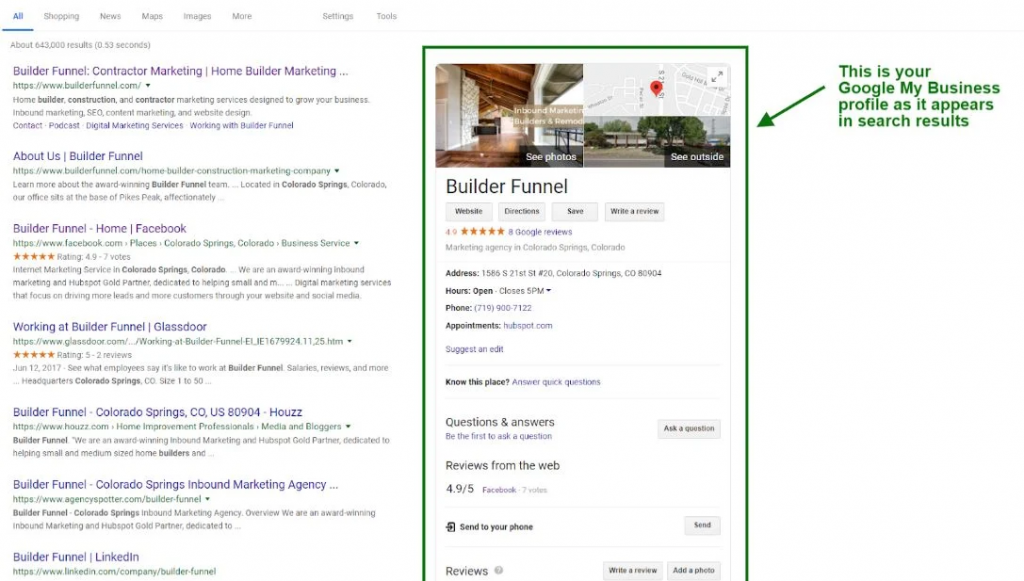
    Google Business Profile Optimization

    • Weekly updates
    • Photos
    • Services

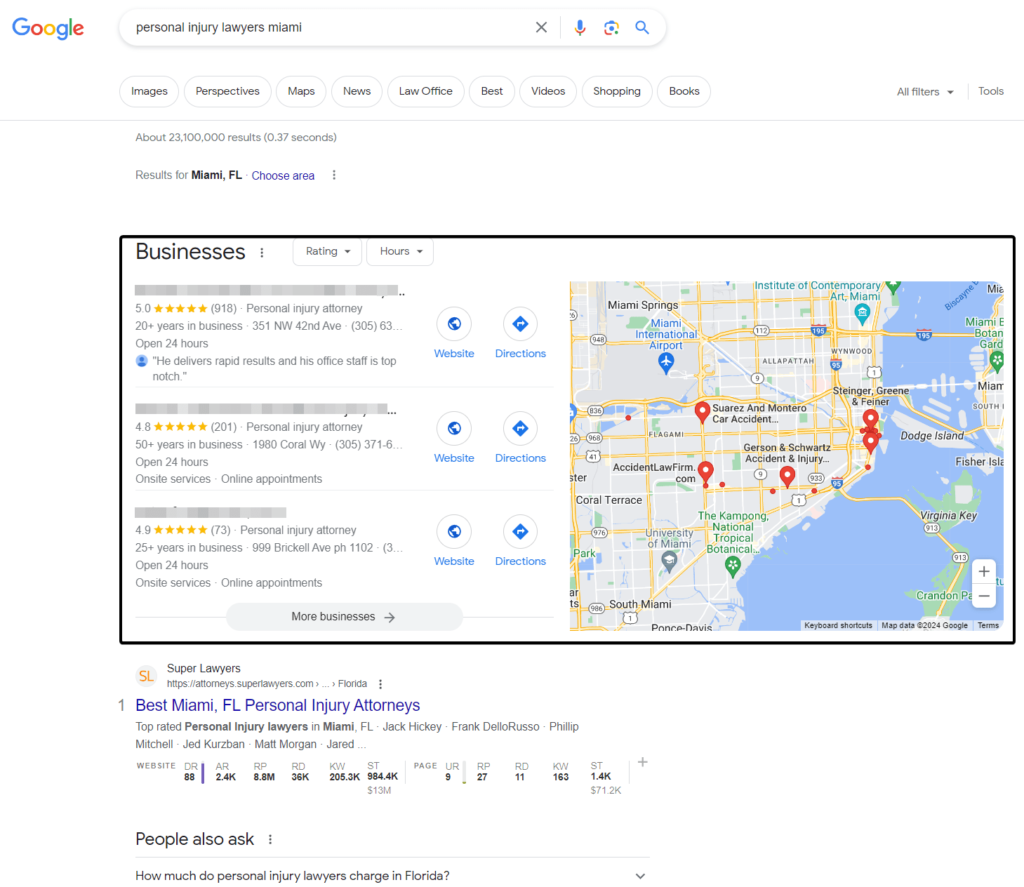
    https://trackright.com/app/uploads/2024/02/serp-1024x887.png

    Reviews Strategy

    • Ask consistently
    • Respond to every review

    Local Citations

    • Yelp
    • BBB
    • Local directories

    10. UX & Behavioral Signals (Hidden Ranking Factors)

    Most people ignore this — mistake.


    Key UX Signals:

    • Bounce rate
    • Time on page
    • Scroll depth

    UX Best Practices:

    • Short paragraphs
    • Visual breaks
    • Clear headings

    “User experience is no longer optional — it’s a ranking factor.”


    11. Technical SEO Stack


    Essentials:

    • Mobile-first design
    • Fast loading (<2.5s)
    • Clean URLs

    Tools:

    • Google Search Console
    • PageSpeed Insights

    12. Analytics, KPIs & Measurement


    Core KPIs:

    KPIWhy It Matters
    TrafficVisibility
    CTRRelevance
    ConversionsROI

    Tools:

    • GA4
    • Ahrefs
    • SEMrush

    13. Common Mistakes

    ❌ Thin content
    ❌ No local optimization
    ❌ Ignoring UX


    14. Future of SEO & GEO (2026–2030)


    Trends:

    • AI-first indexing
    • Voice search
    • Personalization

    Prediction:

    “GEO will become the primary optimization strategy within 3 years.”


    15. FAQ

    What is GEO?

    Optimization for AI-driven search engines.

    How long does SEO take?

    3–6 months.

    Is local SEO important in Michigan?

    Yes—especially for service businesses.


    16. References (Outbound Authority Links)


  • The Complete Guide to Local SEO in Michigan: Strategies That Actually Work in 2026


    Table of Contents

    1. Introduction
    2. What Is Local SEO (and Why It Matters in Michigan)
    3. How Google Ranks Local Businesses
    4. Michigan-Specific Ranking Factors
    5. Google Business Profile Optimization
    6. Keyword Strategy for Michigan Markets
    7. Content That Drives Local Traffic
    8. Backlink Strategies (Local Authority)
    9. UX Optimization for Local SEO
    10. Technical SEO Essentials
    11. Common Mistakes
    12. Future of Local SEO + GEO
    13. FAQ
    14. References

    1. Introduction

    Local SEO has evolved dramatically over the past few years. What used to be a relatively straightforward process—adding keywords and listing your business—has now become a sophisticated system driven by user intent, AI, and behavioral signals.

    For businesses operating in Michigan, this shift is even more important.

    Why?

    Because Michigan markets are:

    • Highly localized
    • Competitive in specific industries (automotive, healthcare, services)
    • Strongly influenced by regional search intent

    If you’re not optimizing for local visibility + AI-driven search (GEO), you’re already behind.


    2. What Is Local SEO (and Why It Matters in Michigan)

    Local SEO is the process of optimizing your online presence so your business appears in location-based searches, such as:

    • “SEO agency near me”
    • “best dentist in Ann Arbor”
    • “Detroit digital marketing services”

    Why It Matters

    According to Google:

    “46% of all searches have local intent.”

    For Michigan businesses, that number is often higher due to strong regional behavior.


    3. How Google Ranks Local Businesses

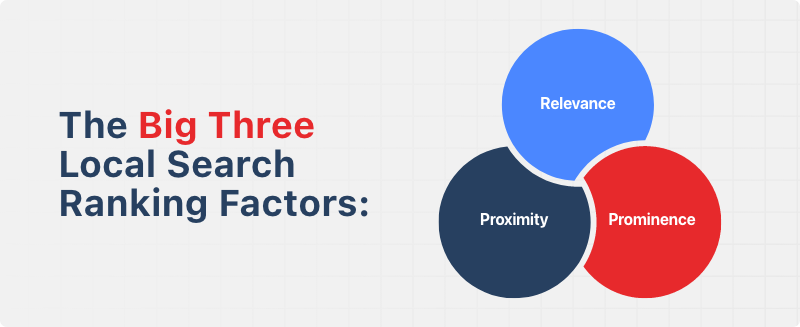
    Google uses three primary factors:

    1. Relevance

    How well your business matches the search query.

    2. Distance

    How close your business is to the user.

    3. Prominence

    How authoritative your business is online.


    📊 Ranking Factors Breakdown

    FactorImpact LevelExample
    Google Business ProfileHighComplete profile
    ReviewsHigh4.5+ rating
    BacklinksMediumLocal news links
    On-page SEOMediumCity keywords

    4. Michigan-Specific Ranking Factors

    Local SEO in Michigan isn’t the same as other states.

    Unique Considerations:

    • Strong city-level searches (Detroit vs Ann Arbor)
    • Industry clustering (automotive, healthcare)
    • Seasonal search trends (tourism, services)

    Example Keyword Variations:

    • “SEO Michigan”
    • “Detroit SEO agency”
    • “Ann Arbor digital marketing”

    5. Google Business Profile Optimization

    This is your #1 ranking asset.

    Optimization Checklist:

    • Accurate business name
    • Primary + secondary categories
    • Services listed
    • Weekly posts
    • High-quality images

    Reviews Strategy

    Businesses with more reviews get higher click-through rates—even if rankings are similar.


    6. Keyword Strategy for Michigan Markets

    Step 1: Core Keywords

    • SEO Michigan
    • Local SEO Michigan

    Step 2: Location Modifiers

    • Detroit
    • Lansing
    • Grand Rapids

    Step 3: Intent Keywords

    • “near me”
    • “best”
    • “top”

    7. Content That Drives Local Traffic

    High-Performing Content Types:

    • Local guides
    • Service pages
    • Case studies

    Content Example:

    Instead of:

    “We offer SEO services”

    Write:

    “Our Michigan SEO services help local businesses rank in Detroit, Ann Arbor, and Grand Rapids.”


    8. Backlink Strategies (Local Authority)

    Best Sources:

    • Local news sites
    • Business directories
    • Partnerships

    9. UX Optimization for Local SEO

    Key UX Elements:

    • Fast loading
    • Clear navigation
    • Mobile optimization

    “A good user experience increases dwell time, which directly impacts rankings.”


    10. Technical SEO Essentials

    • Mobile-first design
    • Page speed optimization
    • Schema markup

    11. Common Mistakes

    ❌ Ignoring local keywords
    ❌ No review strategy
    ❌ Thin content


    12. Future of Local SEO + GEO

    • AI-driven search
    • Voice search growth
    • Personalized results

    13. FAQ

    What is local SEO?

    Local SEO helps businesses appear in location-based searches.

    How long does it take?

    3–6 months for results.


    14. References

    • Google Search Central
    • Moz
    • Ahrefs
    • SEMrush
  • The Future of AI in Digital Marketing: 8 Strategies That Will Dominate 2026

    Marketing is no longer just creative.

    It’s predictive.
    It’s automated.
    It’s intelligent.

    Artificial intelligence is transforming how brands attract, engage, and convert customers.

    Let’s explore the 8 strategies that will define AI in digital marketing in 2026 and backed by real data, visuals, and industry insights.

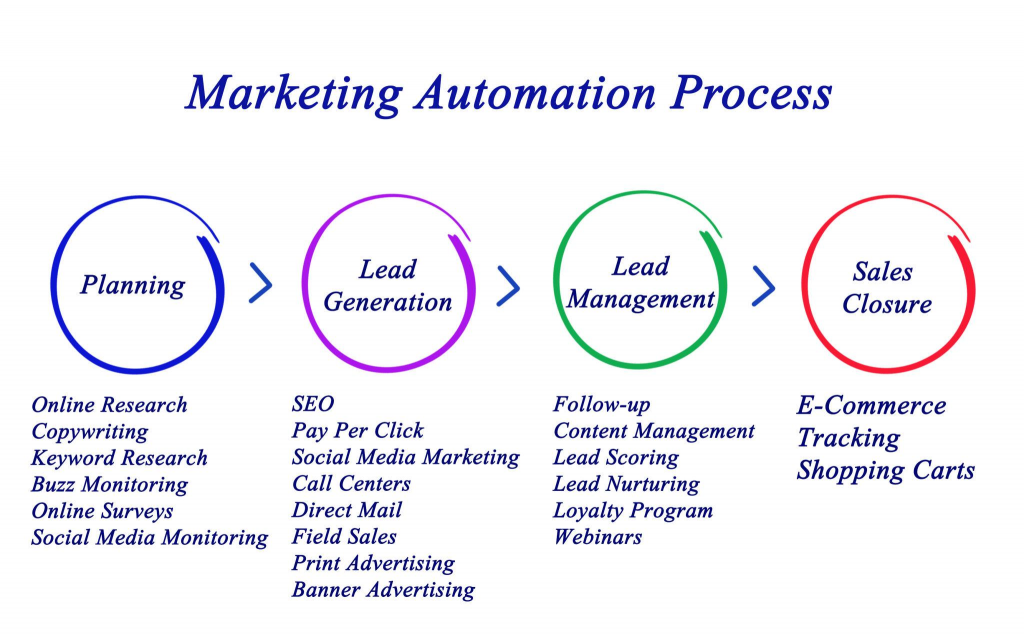
    1. AI-Powered Marketing Automation Is Reshaping Campaigns

        AI-powered marketing automation allows brands to:

        • Automate email sequences
        • Trigger behavioral segmentation
        • Optimize smart bidding strategies
        • Improve marketing data analytics

        According to Salesforce’s State of Marketing Report, high-performing teams are significantly more likely to use AI-driven automation tools.

        🔗 Source: https://www.salesforce.com/resources/research-reports/state-of-marketing/

        LSI Keywords:

        • AI marketing automation tools
        • Behavioral targeting
        • Campaign optimization software
        • Marketing workflow automation

        Automation increases efficiency — and efficiency increases profit margins.

        LSI Keywords:

        • AI marketing automation tools
        • Behavioral targeting
        • Campaign optimization software
        • Marketing workflow automation

        Automation increases efficiency — and efficiency increases profit margins.

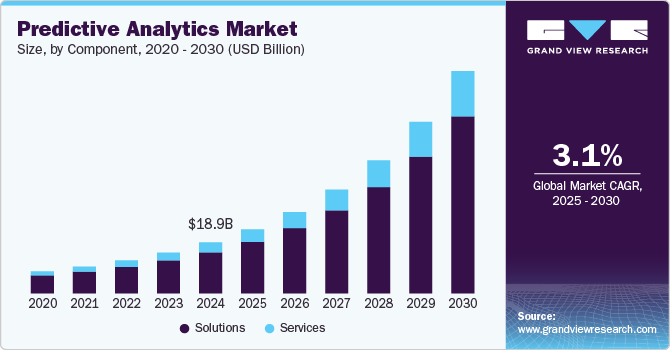
        2. Predictive Analytics Improves Decision-Making

        AI enables personalized customer experiences across channels.

        Brands now use:

        • Dynamic content personalization
        • AI-driven email marketing
        • Conversational marketing chatbots
        • Real-time product recommendations

        According to McKinsey & Company, companies that excel at personalization generate significantly more revenue from those activities.

        🔗 Source: https://www.mckinsey.com/business-functions/growth-marketing-and-sales/our-insights/the-value-of-getting-personalization-right-or-wrong-is-multiplying

        LSI Keywords:

        • Personalized customer journey
        • AI recommendation engines
        • Behavioral segmentation marketing
        • Customer experience optimization

        When customers feel understood, they buy.

        4. AI Is Changing SEO and Search Intent Optimization

        Modern SEO relies on:

        • Search intent optimization
        • Natural language processing (NLP)
        • Voice search optimization
        • AI-powered keyword clustering

        HubSpot emphasizes that aligning content with user intent improves ranking performance.

        🔗 Source: https://blog.hubspot.com/marketing/seo-strategy

        LSI Keywords:

        • AI SEO tools
        • Semantic keyword strategy
        • Search behavior analytics
        • Content optimization algorithms

        SEO in 2026 is about solving problems not stuffing keywords.

        5. Conversion Rate Optimization Becomes Data-Driven

        AI-powered CRO tools help brands:

        • Run automated A/B testing
        • Identify friction points
        • Improve user experience (UX)
        • Increase revenue without increasing traffic

        LSI Keywords:

        • Conversion optimization tools
        • Landing page testing
        • Customer engagement metrics
        • UX performance analysis

        Small improvements lead to major revenue gains.

        6. Generative AI Enhances Content Creation

        Generative AI in content marketing supports:

        • Blog drafting
        • Ad copy creation
        • Product descriptions
        • Content repurposing

        LSI Keywords:

        • AI writing assistants
        • Content automation software
        • Generative AI marketing
        • Automated copywriting

        AI improves speed.

        Human strategy ensures quality.

        7. Real-Time Marketing Insights Drive Agility

        Real-time data enables:

        • Faster campaign adjustments
        • Better marketing ROI measurement
        • Cross-channel performance tracking
        • Revenue attribution modeling

        LSI Keywords:

        • Real-time analytics tools
        • Digital marketing dashboards
        • Performance marketing metrics
        • Campaign tracking software

        Speed is the new competitive advantage.

        8. Digital Transformation Is No Longer Optional

        Digital transformation in marketing includes:

        • AI integration
        • Automation platforms
        • Advanced CRM systems
        • Data-driven marketing strategy

        According to Statista, AI software revenue continues to grow globally.

        🔗 Source: https://www.statista.com/statistics/607716/worldwide-artificial-intelligence-market-revenues/

        LSI Keywords:

        • Marketing technology stack
        • AI software market growth
        • Digital marketing innovation
        • Enterprise automation tools

        The brands adapting early will lead the future.

      1. 10 Digital Marketing Trends in 2026 (With Real Data & Visual Insights)

        Marketing isn’t just changing, it’s accelerating.

        AI, automation, and data analytics are reshaping how brands attract customers. Let’s walk through the trends that are backed by real growth and visual data.

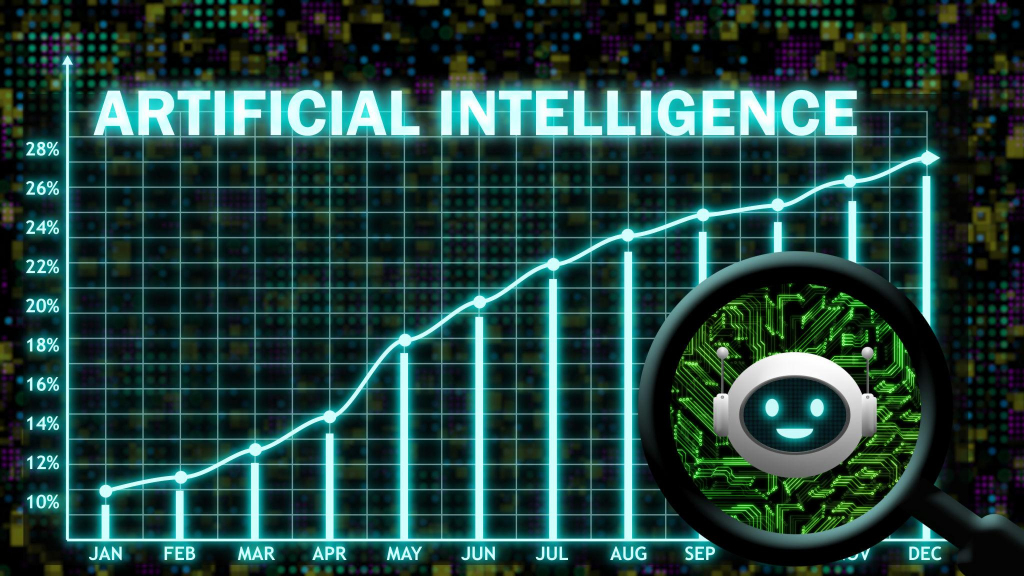
        1. AI in Marketing Is Rapidly Growing

        AI adoption in marketing has skyrocketed over the past few years. Businesses are investing heavily in predictive analytics, automation, and AI-powered marketing tools.

        What this means for you:

        • AI-powered marketing automation improves efficiency
        • Predictive analytics reduces wasted ad spend
        • Marketing data analytics drives smarter decisions

        If you’re not using AI in some way, you’re already behind competitors who are.

        2. Marketing Automation Saves Time & Increases Revenue

        Marketing automation tools now handle:

        • AI-driven email marketing
        • Behavioral segmentation
        • Smart bidding strategies
        • Programmatic advertising

        Instead of manually adjusting campaigns, automation platforms optimize in real time.

        Think of it as hiring a 24/7 digital assistant.

        3. Personalization Drives Higher Conversion Rates

        Consumers expect personalized customer experiences.

        AI now allows brands to:

        • Recommend products based on browsing behavior
        • Send targeted email sequences
        • Deliver conversational marketing chatbots
        • Customize landing pages dynamically

        When users feel understood, they convert more.

        Simple.

        4. SEO Is Now About Search Intent

        Modern SEO focuses on:

        • Search intent optimization
        • Natural language processing (NLP)
        • Voice search optimization
        • User engagement signals

        It’s no longer about stuffing keywords.

        It’s about answering real questions better than anyone else.

        5. Conversion Rate Optimization (CRO) Is a Revenue Multiplier

        Traffic is great.

        But if visitors don’t convert, traffic means nothing.

        Businesses now prioritize:

        • Clear CTAs
        • Faster load speeds
        • Less page clutter
        • Data-driven landing page improvements

        Small CRO improvements can increase revenue without increasing traffic.

        6. Generative AI Is Transforming Content Marketing

        Content creation is evolving rapidly.

        Generative AI tools now support:

        • AI content generation tools
        • Automated blog writing workflows
        • AI-powered ad copy creation
        • Content repurposing across platforms

        These tools improve efficiency and reduce production time.

        But success still depends on:

        • Brand voice consistency
        • Human storytelling
        • Strategic content marketing

        AI accelerates output.

        Human creativity builds connection.

        7. Programmatic Advertising Is Getting Smarter

        Digital advertising is becoming more data-driven.

        Programmatic advertising platforms now use:

        • Machine learning in advertising
        • Smart bidding strategies
        • Behavioral audience targeting
        • Real-time ad optimization

        This improves:

        • Return on ad spend (ROAS)
        • Campaign performance
        • Marketing ROI measurement

        AI doesn’t just automate ads.

        It optimizes them intelligently.

        8. Real-Time Marketing Insights Drive Faster Decisions

        Modern marketing depends on speed.

        Businesses now rely on:

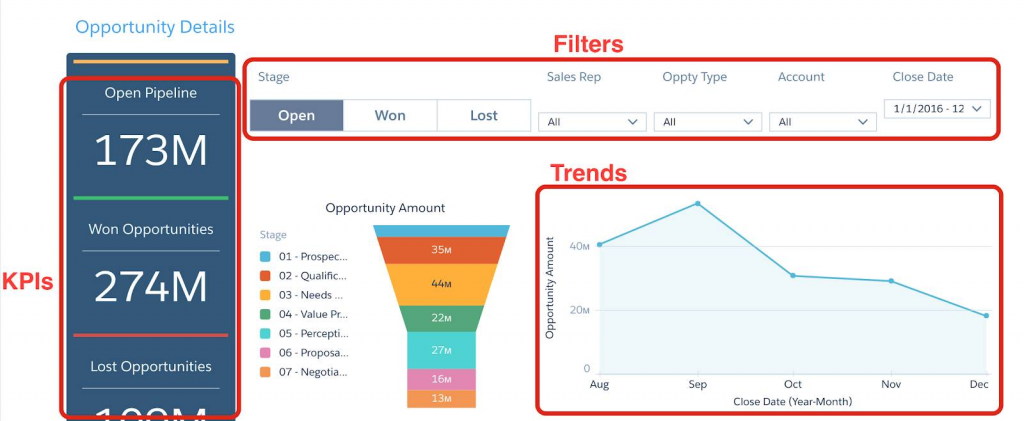
        • Real-time marketing dashboards
        • Customer behavior tracking
        • Marketing data analytics
        • Performance attribution models

        These insights allow marketers to:

        • Adjust campaigns quickly
        • Improve conversion rates
        • Identify high-performing channels

        Faster data leads to faster growth.

        9. Digital Transformation in Marketing Is Accelerating

        Marketing is no longer just creative — it’s technological.

        Companies are investing in:

        • Digital transformation in marketing
        • AI-powered CRM systems
        • Marketing automation ecosystems
        • Integrated analytics platforms

        This shift enables:

        • Scalable personalization
        • Predictive analytics in marketing
        • Cross-channel optimization

        Technology is becoming the backbone of marketing strategy.

        10. Human Creativity Still Wins

        Despite automation, emotional connection remains powerful.

        Successful brands prioritize:

        • Authentic storytelling
        • Personalized customer experience
        • Brand trust and loyalty
        • Customer-centric messaging

        AI enhances efficiency.

        But human insight builds long-term relationships.

        And relationships drive sustainable growth

      2. Keyword Research: The Foundation of Content That Actually Gets Traffic

        If you want your blog to attract the right audience not just random clicks keyword research is where everything starts. Keyword research helps you understand what people are searching for, how they phrase their questions, and how competitive those searches are. When done correctly, it allows you to create content that aligns with real user intent and ranks higher in search results.

        Why Keyword Research Matters

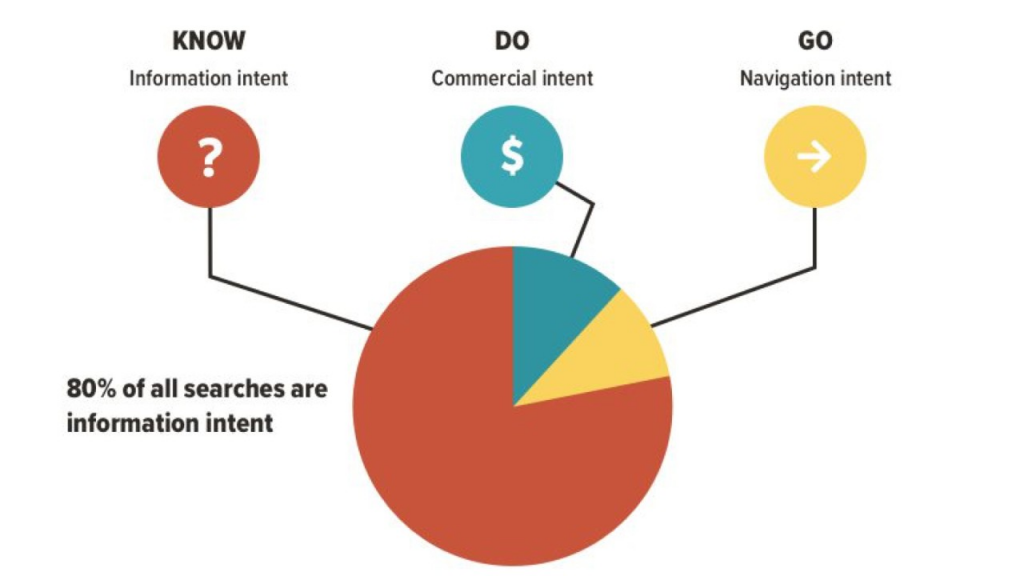
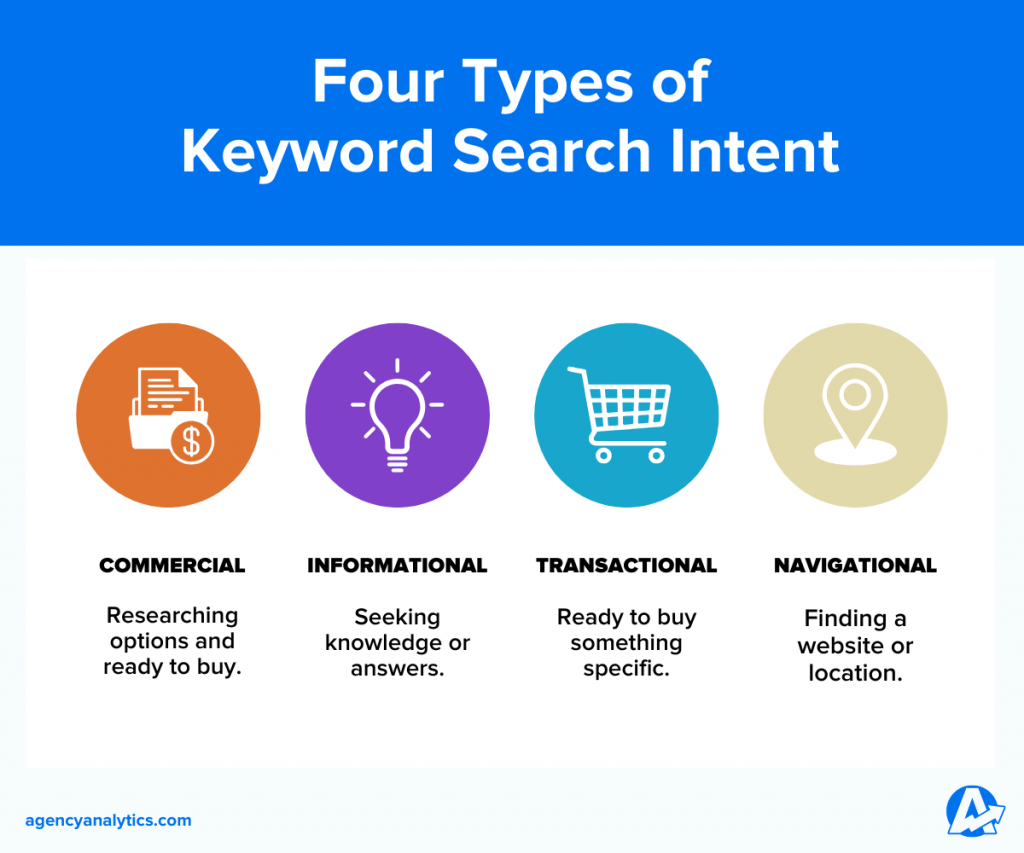
        At its core, keyword research is about matching your content with demand. Instead of guessing what topics might work, you use real data to identify keywords your audience already cares about. These keywords generally fall into three main categories

        For most blogs, informational and long-tail keywords perform best. They are more specific, less competitive, and attract readers who are genuinely interested in your content.

        How to Find the Right Keywords

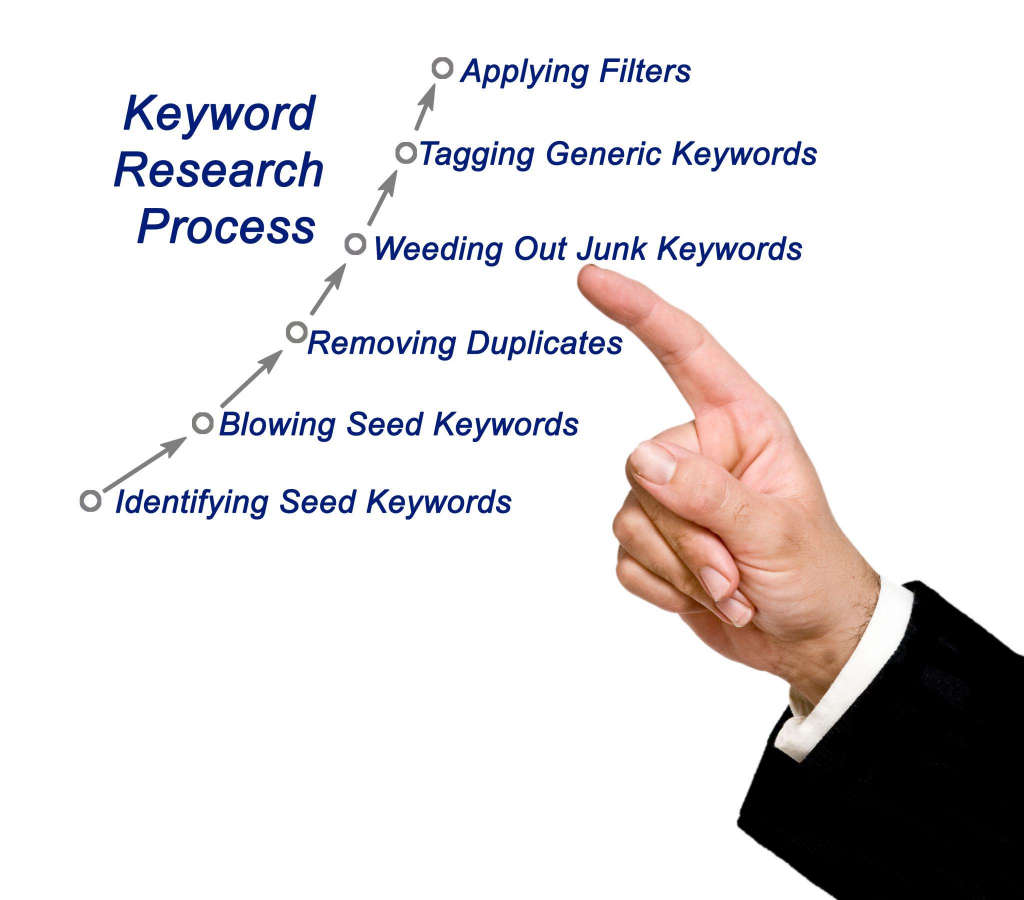
        A strong keyword strategy starts with brainstorming “seed keywords” related to your niche. From there, expand your list using keyword research tools such as Google Search, Ahrefs, SEMrush, or Ubersuggest. These tools provide insights into search volume, keyword difficulty, and related keyword ideas.

        When choosing keywords, aim for those with moderate search volume and low to medium competition. This balance gives your content a better chance of ranking, especially if your website is newer or still growing.

        Analyze Before You Write

        Before creating your blog post, search your target keyword and analyze the top-ranking results. Pay attention to the format, length, and depth of the content that already performs well. This helps you understand what search engines prioritize and reveals opportunities to create something more valuable, clearer, or more detailed.

        Using Keywords Naturally

        Once you’ve selected your keywords, integrate them naturally into your content. Include them in your blog title, headings, URL, meta description, and throughout the body text but avoid keyword stuffing. Search engines reward content that reads well and genuinely helps users.

        Final Thoughts

        Keyword research turns blogging from guesswork into strategy. By understanding what your audience is searching for and creating content that meets those needs, your blog becomes more discoverable, more relevant, and more effective at driving traffic over time.

        Recommended Resources

        To dive deeper into keyword research, check out this beginner-friendly guide from Ahrefs:
        Beginner’s Guide to Keyword Research
        https://ahrefs.com/blog/keyword-research/

      3. Hello world!

        Welcome to WordPress. This is your first post. Edit or delete it, then start writing!