Introduction
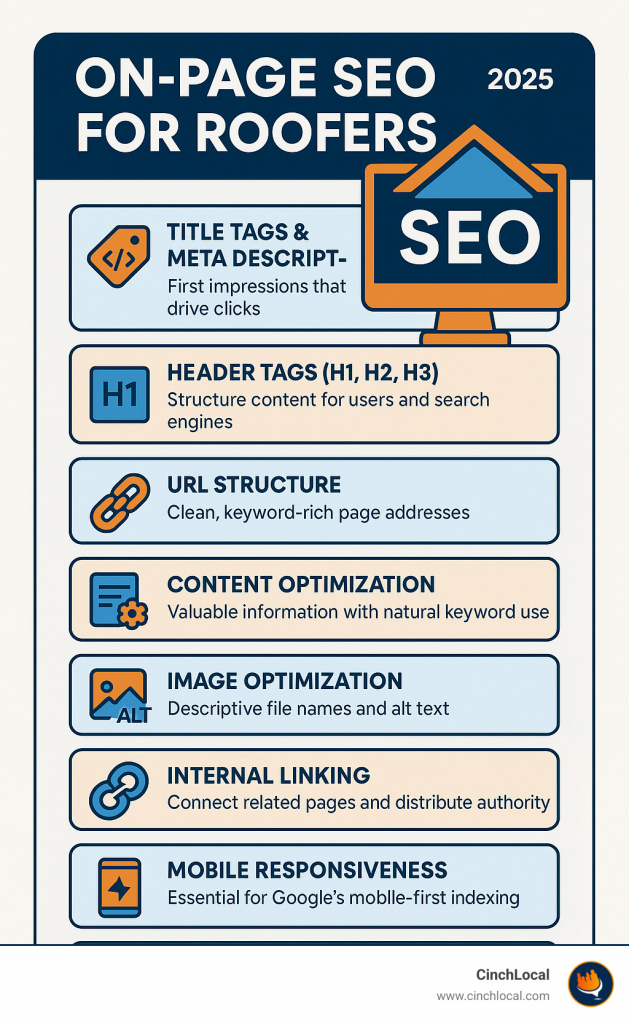
Onsite SEO in 2026 is much more than adding keywords to a webpage. Search engines now evaluate how well a page helps users, how clearly information is structured, how fast the page loads, and whether the content matches real search intent. Google’s focus has shifted from simple keyword placement to helpful content, user experience, and topical authority.
Many businesses make the mistake of thinking onsite SEO is only about title tags and meta descriptions. Those still matter, but rankings today depend on a full system that includes content depth, internal linking, mobile optimization, Core Web Vitals, semantic SEO, and GEO (Generative Engine Optimization).
Strong onsite SEO improves visibility, increases qualified traffic, reduces bounce rate, and creates better conversion opportunities. It also helps AI-powered search engines understand your content and use it in generated answers.
If the goal is long-term rankings, onsite SEO must be treated as a strategic process, not a one-time checklist.
Why Onsite SEO Matters More in 2026
Google’s algorithm now prioritizes relevance, expertise, and user satisfaction. A page that loads quickly, answers the user’s question clearly, and keeps visitors engaged will usually perform better than a page that simply repeats keywords.
For example, a local service business targeting “SEO agency in Michigan” needs more than that phrase on the page. Google also looks for supporting content such as service explanations, local relevance, trust signals, FAQs, and strong internal linking.
Onsite SEO helps search engines understand:
- what the page is about
- who the page is for
- how valuable the content is
- how the page connects to the rest of the website
- whether users trust and engage with it
This directly impacts rankings, click-through rate, and conversions.
Title Tags and CTR Optimization
The title tag is one of the strongest onsite SEO signals because it helps both rankings and click-through rate (CTR).
A strong title tag should:
- include the primary keyword naturally
- stay under about 60 characters
- create curiosity or clear value
- match the user’s search intent
Weak example: Home | Services
Better example: Local SEO Services in Michigan for Small Businesses
Even if a page ranks well, a poor title tag can reduce traffic because users do not click. Google often measures user behavior, so stronger CTR can support better long-term performance.
One mistake many websites make is using vague or duplicate title tags. Every important page should have a unique title that clearly explains its purpose.
Meta Descriptions and Search Behavior
Meta descriptions do not directly improve rankings, but they strongly influence CTR.
Think of the meta description as a short sales pitch in search results. It should explain why the user should click your page instead of a competitor’s.
A strong meta description should:
- support the title tag
- include the target keyword naturally
- explain the value quickly
- include a clear reason to click
Good example: Learn proven onsite SEO strategies for higher rankings, stronger traffic, and better conversions in 2026.
A weak description often causes users to skip your page, even if you rank on page one.
Heading Structure and Semantic SEO
Heading tags help both users and search engines understand content structure.
Your page should use:
- one H1 for the main topic
- H2s for major sections
- H3s for supporting details
This improves readability and supports semantic SEO.
Google now understands topic relationships, not just exact-match keywords. For example, an onsite SEO article should naturally include related concepts like:
- internal linking
- Core Web Vitals
- schema markup
- mobile-first indexing
- crawl efficiency
- topical authority
This helps Google understand expertise without forcing keyword repetition.
Well-structured headings also improve AI extraction because AI systems prefer clearly organized information when generating answers.
Content Optimization and Search Intent
Content should always match the reason behind the search.
If someone searches “how to improve onsite SEO,” they want education and strategy. If they search “hire onsite SEO expert,” they are likely ready to convert.
This difference matters.
Informational intent requires:
- guides
- tutorials
- blog posts
- FAQs
Transactional intent requires:
- service pages
- pricing pages
- strong CTAs
- trust-building content
One common mistake is sending all traffic to one generic page. Intent mismatch leads to poor dwell time, high bounce rates, and lower rankings.
Google rewards pages that solve the exact problem the user is trying to fix.
Internal Linking and Authority Flow
Internal linking is one of the most underrated onsite SEO strategies.
It helps:
- distribute authority across pages
- improve crawl efficiency
- keep users on the website longer
- strengthen topical authority
For example, a pillar page about SEO should link to:
- keyword research strategies
- local SEO best practices
- backlink building methods
- Google Ads optimization
This tells Google the website has depth and expertise in the topic.
Without strong internal linking, pages become isolated and lose ranking strength. Good websites guide both users and search engines from one relevant topic to another.
Core Web Vitals and User Experience
Google uses Core Web Vitals as part of ranking evaluation because speed and usability affect user satisfaction.
Important metrics include:
Largest Contentful Paint (LCP)
Measures how quickly main content loads.
Interaction to Next Paint (INP)
Measures responsiveness when users interact.
Cumulative Layout Shift (CLS)
Measures visual stability while loading.
Slow pages increase bounce rates and reduce trust. A beautiful page that loads poorly often performs worse than a simpler page with strong speed and usability.
Businesses should optimize:
- image compression
- mobile performance
- server speed
- script management
- layout stability
Good SEO and good UX work together.
Mobile-First Indexing
Google primarily evaluates the mobile version of a website first.
This means poor mobile design can hurt rankings even if the desktop version looks perfect.
Strong mobile optimization includes:
- responsive design
- readable text sizes
- fast loading pages
- clear navigation
- mobile-friendly forms
- properly spaced buttons and CTAs
Many users now discover businesses entirely through mobile search. If the experience feels frustrating, rankings and conversions both suffer.
Schema Markup and GEO Optimization
Schema markup helps search engines understand page content more clearly.
It can support:
- FAQs
- reviews
- local business information
- products
- services
- events
Schema improves visibility in rich results and helps AI-powered search systems understand trusted information faster.
This is especially important for GEO because AI search engines often prioritize structured, easy-to-verify information when generating responses.
For local businesses, LocalBusiness schema and FAQ schema can improve both search visibility and trust.
KPIs to Measure Onsite SEO Success
SEO should connect to business results, not just rankings.
Important KPIs include:
- organic traffic growth
- click-through rate (CTR)
- bounce rate
- average session duration
- conversion rate
- lead generation
- keyword ranking improvements
- local map pack visibility
- revenue from organic traffic
One mistake people make is celebrating traffic increases without checking conversions. Higher rankings only matter if they support business growth.
Common Mistakes to Avoid
Keyword Stuffing
Repeating the same phrase too often makes content weaker and hurts readability.
Thin Content
Short pages without depth rarely compete well in 2026.
Weak Internal Linking
Pages without strategic connections lose authority.
Ignoring Mobile Users
Poor mobile experience damages both rankings and trust.
No GEO Strategy
Ignoring AI visibility means missing future search opportunities.
Onsite SEO must work for both Google rankings and AI-generated search answers.
FAQ
What is onsite SEO?
Onsite SEO is the process of optimizing elements within your website such as content, title tags, headings, speed, and internal links to improve rankings.
Does meta description improve rankings?
Not directly, but it improves CTR, which can support stronger search performance.
Why is internal linking important?
It helps search engines understand content relationships and distributes authority across important pages.
How do Core Web Vitals affect SEO?
They measure speed and usability, which impact user experience and search rankings.
What is GEO in SEO?
GEO stands for Generative Engine Optimization and focuses on improving visibility in AI-generated search answers.
References
Google Search Central https://developers.google.com/search
Google PageSpeed Insights https://pagespeed.web.dev
Google Search Console https://search.google.com/search-console
Semrush Blog https://www.semrush.com/blog
Ahrefs Blog https://ahrefs.com/blog
Moz SEO Learning Center https://moz.com/learn/seo
Search Engine Journal https://www.searchenginejournal.com
Backlinko SEO Guides https://backlinko.com
Leave a Reply