
Table of Contents
- Why SEO in Michigan Is Different
- The Evolution from SEO to GEO
- How Search Engines (and AI) Actually Rank Content
- Michigan Market Dynamics (Local Search Behavior)
- Core SEO Foundations (Still Relevant in 2026)
- GEO Optimization Framework (AI-First Strategy)
- Keyword + Semantic Strategy (LSI Deep Dive)
- Content Architecture (Topical Authority Model)
- Local SEO Domination (Michigan-Specific Playbook)
- UX & Behavioral Signals (Hidden Ranking Factors)
- Technical SEO Stack
- Analytics, KPIs & Measurement
- Common Mistakes (and Why They Kill Rankings)
- Future of SEO & GEO (2026–2030)
- FAQ
- References
1. Why SEO in Michigan Is Different
If you’ve worked in SEO long enough, you’ll realize something quickly:
Not all markets behave the same — and Michigan is one of the most unique.
Michigan sits at the intersection of:
- Industrial legacy (automotive, manufacturing)
- Academic hubs (Ann Arbor)
- Service-driven suburban economies
This creates fragmented search intent, meaning:
- Detroit searches behave differently than Grand Rapids
- Ann Arbor users are more research-driven
- Local intent dominates across most industries
Key Insight:
“In Michigan, local relevance + trust signals often outweigh pure keyword optimization.”
2. The Evolution from SEO to GEO
SEO used to be about ranking.
Now?
It’s about being chosen by AI systems as the best answer.
🔄 The Shift
| Old Search | New Search |
|---|---|
| 10 blue links | AI-generated answers |
| Click-based | Answer-based |
| Keyword focus | Intent + context |
What is GEO?
Generative Engine Optimization (GEO) is:
Optimizing your content so AI systems (like ChatGPT, Google SGE) reference and trust it.
Example:
Instead of writing:
“SEO helps improve rankings”
Write:
“SEO improves organic visibility by aligning content relevance, authority signals, and user engagement metrics.”
3. How Search Engines (and AI) Actually Rank Content
Let’s break this down simply.
Traditional Ranking Factors
- Keywords
- Backlinks
- Content quality
AI Ranking Signals (GEO)
- Clarity of answers
- Structured content
- Authority consistency
- Engagement signals
Visual: Ranking Signals
Critical Insight
Google ranks pages.
AI selects answers.
4. Michigan Market Dynamics (Local Search Behavior)
Michigan search behavior is heavily influenced by:
1. Geography
- Urban vs suburban vs rural differences
2. Industry Clusters
- Automotive (Detroit)
- Healthcare (Ann Arbor)
- Small businesses statewide
3. Search Intent
| Query Type | Example |
|---|---|
| Transactional | “SEO agency Detroit” |
| Informational | “how SEO works Michigan” |
| Local | “near me” |
5. Core SEO Foundations (Still Relevant)
Even in 2026, fundamentals matter.
Must-Have Elements
- Keyword targeting
- Internal linking
- Optimized metadata
- Content depth
Content Depth Matters
| Content Type | Ranking Potential |
|---|---|
| 500 words | Low |
| 1,500 words | Medium |
| 3,000+ words | High |
6. GEO Optimization Framework (AI-First Strategy)
Here’s a simple but powerful framework:
Step 1: Answer First
- Direct, clear responses
Step 2: Structure Content
- Headings (H2, H3)
- Lists
- Tables
Step 3: Build Authority
- Consistency across topics
- Internal linking
GEO Rule:
“If AI can’t easily extract your answer, it won’t use it.”
7. Keyword + Semantic Strategy (LSI Deep Dive)
Forget keyword stuffing.
Think semantic coverage.
Primary Keyword:
- SEO & GEO practices in Michigan
LSI Keywords:
- Michigan SEO services
- local search Michigan
- AI search optimization
- digital marketing Michigan
Semantic Expansion
Instead of repeating: “SEO Michigan”
Use variations:
- “search optimization in Michigan”
- “local ranking strategies in Detroit”
- “Michigan-based digital visibility”
8. Content Architecture (Topical Authority Model)
This is where you win long-term.
Structure:
- 1 pillar page (this post)
- 20 supporting blogs
Internal Linking Flow:
Pillar → Cluster → Back to pillar
Insight:
“Topical authority beats isolated content every time.”
9. Local SEO Domination (Michigan Playbook)
Google Business Profile Optimization
- Weekly updates
- Photos
- Services
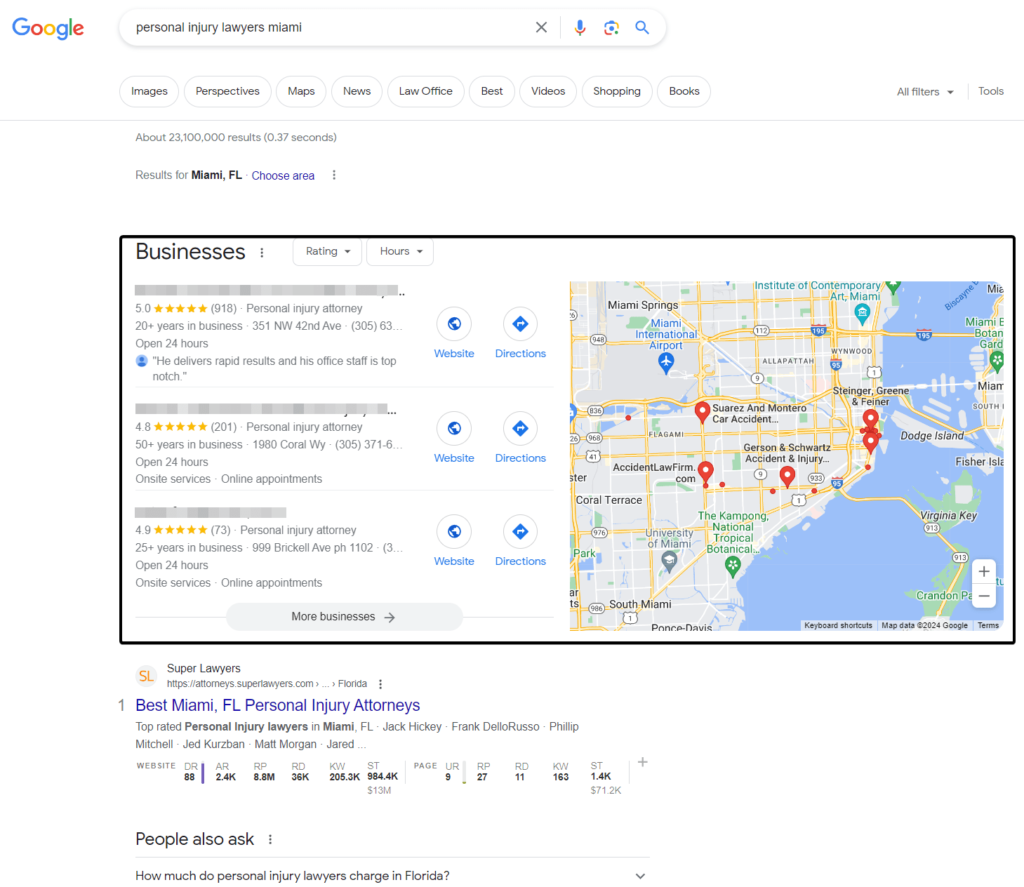
Reviews Strategy
- Ask consistently
- Respond to every review
Local Citations
- Yelp
- BBB
- Local directories
10. UX & Behavioral Signals (Hidden Ranking Factors)
Most people ignore this — mistake.
Key UX Signals:
- Bounce rate
- Time on page
- Scroll depth
UX Best Practices:
- Short paragraphs
- Visual breaks
- Clear headings
“User experience is no longer optional — it’s a ranking factor.”
11. Technical SEO Stack
Essentials:
- Mobile-first design
- Fast loading (<2.5s)
- Clean URLs
Tools:
- Google Search Console
- PageSpeed Insights
12. Analytics, KPIs & Measurement
Core KPIs:
| KPI | Why It Matters |
|---|---|
| Traffic | Visibility |
| CTR | Relevance |
| Conversions | ROI |
Tools:
- GA4
- Ahrefs
- SEMrush
13. Common Mistakes
❌ Thin content
❌ No local optimization
❌ Ignoring UX
14. Future of SEO & GEO (2026–2030)
Trends:
- AI-first indexing
- Voice search
- Personalization
Prediction:
“GEO will become the primary optimization strategy within 3 years.”
15. FAQ
What is GEO?
Optimization for AI-driven search engines.
How long does SEO take?
3–6 months.
Is local SEO important in Michigan?
Yes—especially for service businesses.
16. References (Outbound Authority Links)
- https://developers.google.com/search
- https://moz.com
- https://ahrefs.com/blog
- https://www.semrush.com/blog
Leave a Reply