Marketing is no longer just creative.
It’s predictive.
It’s automated.
It’s intelligent.
Artificial intelligence is transforming how brands attract, engage, and convert customers.
Let’s explore the 8 strategies that will define AI in digital marketing in 2026 and backed by real data, visuals, and industry insights.
1. AI-Powered Marketing Automation Is Reshaping Campaigns
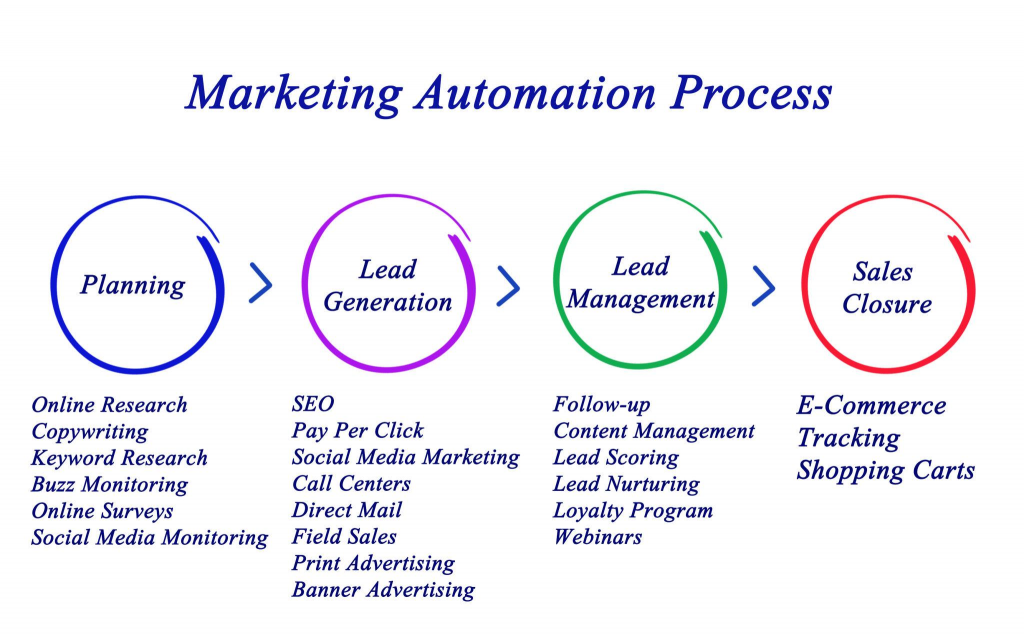
AI-powered marketing automation allows brands to:
• Automate email sequences
• Trigger behavioral segmentation
• Optimize smart bidding strategies
• Improve marketing data analytics
According to Salesforce’s State of Marketing Report, high-performing teams are significantly more likely to use AI-driven automation tools.
🔗 Source: https://www.salesforce.com/resources/research-reports/state-of-marketing/
LSI Keywords:
- AI marketing automation tools
- Behavioral targeting
- Campaign optimization software
- Marketing workflow automation
Automation increases efficiency — and efficiency increases profit margins.
LSI Keywords:
- AI marketing automation tools
- Behavioral targeting
- Campaign optimization software
- Marketing workflow automation
Automation increases efficiency — and efficiency increases profit margins.
2. Predictive Analytics Improves Decision-Making
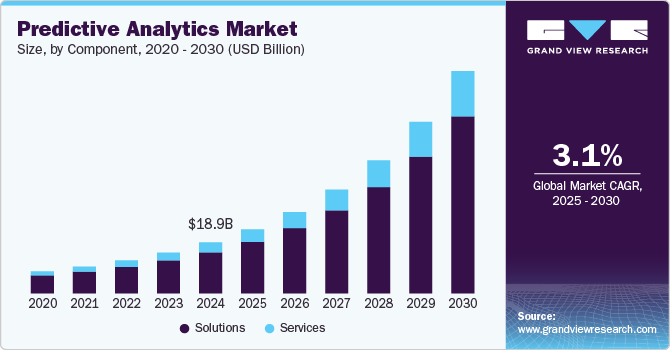
AI enables personalized customer experiences across channels.
Brands now use:
• Dynamic content personalization
• AI-driven email marketing
• Conversational marketing chatbots
• Real-time product recommendations
According to McKinsey & Company, companies that excel at personalization generate significantly more revenue from those activities.
LSI Keywords:
- Personalized customer journey
- AI recommendation engines
- Behavioral segmentation marketing
- Customer experience optimization
When customers feel understood, they buy.
4. AI Is Changing SEO and Search Intent Optimization
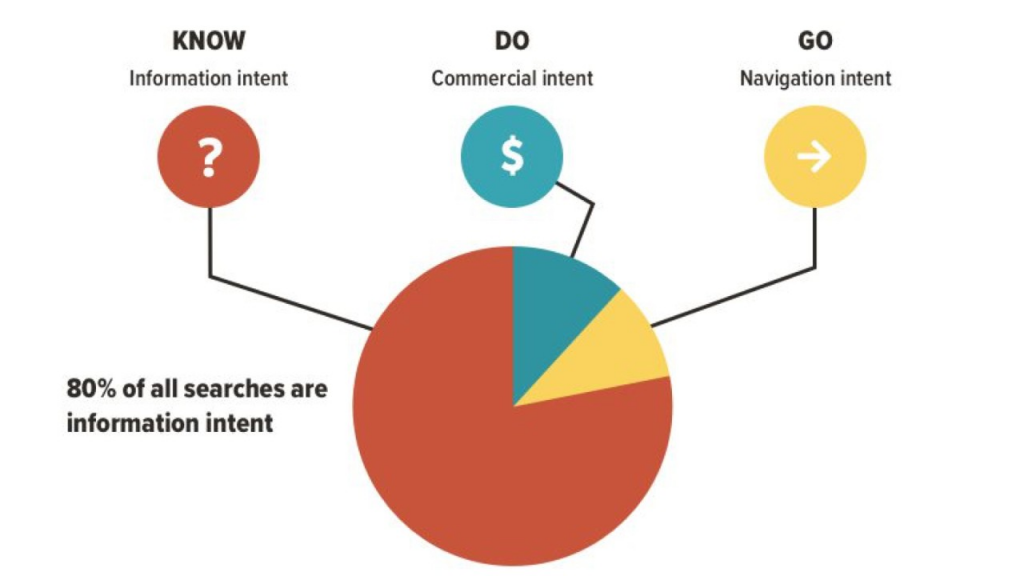
Modern SEO relies on:
• Search intent optimization
• Natural language processing (NLP)
• Voice search optimization
• AI-powered keyword clustering
HubSpot emphasizes that aligning content with user intent improves ranking performance.
🔗 Source: https://blog.hubspot.com/marketing/seo-strategy
LSI Keywords:
- AI SEO tools
- Semantic keyword strategy
- Search behavior analytics
- Content optimization algorithms
SEO in 2026 is about solving problems not stuffing keywords.
5. Conversion Rate Optimization Becomes Data-Driven
AI-powered CRO tools help brands:
• Run automated A/B testing
• Identify friction points
• Improve user experience (UX)
• Increase revenue without increasing traffic
LSI Keywords:
- Conversion optimization tools
- Landing page testing
- Customer engagement metrics
- UX performance analysis
Small improvements lead to major revenue gains.
6. Generative AI Enhances Content Creation
Generative AI in content marketing supports:
• Blog drafting
• Ad copy creation
• Product descriptions
• Content repurposing
LSI Keywords:
- AI writing assistants
- Content automation software
- Generative AI marketing
- Automated copywriting
AI improves speed.
Human strategy ensures quality.
7. Real-Time Marketing Insights Drive Agility
Real-time data enables:
• Faster campaign adjustments
• Better marketing ROI measurement
• Cross-channel performance tracking
• Revenue attribution modeling
LSI Keywords:
- Real-time analytics tools
- Digital marketing dashboards
- Performance marketing metrics
- Campaign tracking software
Speed is the new competitive advantage.
8. Digital Transformation Is No Longer Optional
Digital transformation in marketing includes:
• AI integration
• Automation platforms
• Advanced CRM systems
• Data-driven marketing strategy
According to Statista, AI software revenue continues to grow globally.
🔗 Source: https://www.statista.com/statistics/607716/worldwide-artificial-intelligence-market-revenues/
LSI Keywords:
- Marketing technology stack
- AI software market growth
- Digital marketing innovation
- Enterprise automation tools
The brands adapting early will lead the future.
Leave a Reply